
Deep Dive
来自我们记者的行业洞察

Customers still want access to a human in customer service
Gartner's latest survey found that 87% of customers require retaining human service channels in customer service that uses generative AI, but there are clear differences in customer acceptance of AI. Experts point out that AI should operate transparently, provide explanations, and smoothly transfer to human agents to win long-term trust.

Panera overhauls rewards program
Panera launched the MyPanera 2.0 loyalty program nationwide last week, shifting from a surprise rewards model to a points-based system with three tiers, and existing members were automatically enrolled.

6 customer experience mantras ready for retirement
Many popular maxims in the customer experience (CX) field, such as "the customer is always right" and "make every interaction delightful," are well-intentioned, but over-adherence to them can harm employee morale, customer trust, and even business performance. Experts from Qualtrics, Gartner, Forrester, and other organizations point out that these absolutist principles need to be revisited or retired, and offer more realistic alternatives.

With customer service, results matter above all else
The latest survey reveals that consumer acceptance of AI customer service is higher than companies expect, and what truly drives purchasing decisions is resolution efficiency and accuracy. Experts suggest companies optimize AI deployment based on real interaction data and prioritize seamless handoff experiences.

When pricing practices become a customer experience issue
The U.S. Federal Trade Commission recently sought comments on a proposed policy statement regarding personalized pricing. Customer experience leaders need to understand the distinctions between personalized pricing and other pricing practices, how consumers respond to various pricing approaches, and which practices are more likely to lead to a loss of trust. This article outlines the boundaries among surveillance pricing, personalized pricing, and dynamic pricing, citing expert opinions and consumer survey data.

NPS has its flaws — but when is it the right tool for the job?
Since its inception over two decades ago, Net Promoter Score (NPS) has been regarded by many companies as the North Star metric for customer experience. However, in recent years, skepticism about its effectiveness has grown. This article synthesizes expert opinions from institutions such as Bain & Company and Forrester to dissect the measurement essence of NPS, common misuses, and how refining analysis and incorporating recommendation behaviors can enable this metric to truly drive business growth in appropriate contexts.

How third-party conversational AI could upend customer service
Third-party conversational AI (such as Alexa+) is gradually entering the customer service domain, with the potential to reshape customer expectations over the next five years. Gartner predicts that by 2029, 80% of common customer service issues will be autonomously resolved by conversational assistants on mobile devices. However, challenges remain, including technological maturity, data privacy, brand control, and consumer trust. Enterprises need to proactively prepare in areas such as knowledge management, data access control, and integration with third-party AI to address the upcoming transformation.
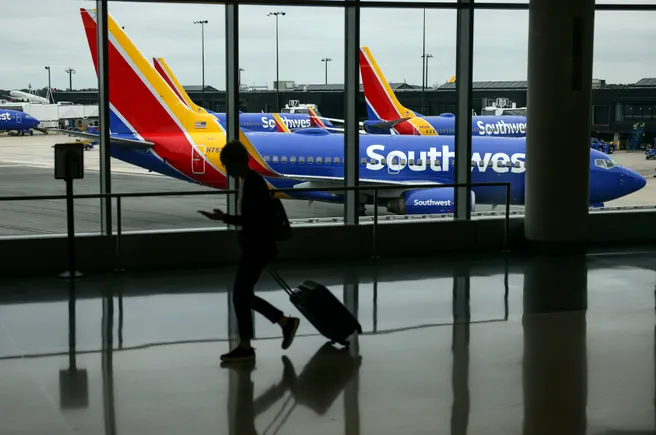
Can Southwest make investors and its most loyal customers happy?
More than a year after Tony Roach took over as Southwest Airlines' head of customer experience, the company faces the dual challenge of adjusting its business model under pressure from activist investors while maintaining customer loyalty. The airline has eliminated open seating and free checked baggage policies and introduced new fees, sparking discontent among loyal customers. Experts believe these changes may boost profits in the short term but could damage the brand image in the long run.

What the FTC’s ‘click-to-cancel’ rule means for customers
The U.S. Federal Trade Commission (FTC) recently finalized the 'click-to-cancel' rule, aiming to eliminate cumbersome cancellation processes in subscription services. The rule requires businesses to disclose key information during marketing and billing and provide simple, immediate cancellation options. Consumer advocates and customer experience experts generally believe this will enhance transparency and consumer satisfaction, but groups like the U.S. Chamber of Commerce worry it will increase business burdens and potentially raise prices. The rule will take effect in April 2025.

‘Everybody benefits’: Why the beauty industry needs to get serious about accessible packaging
The unfriendliness of beauty product packaging to people with disabilities has long been overlooked. Through multiple cases—E.l.f. Beauty's partnership with a visually impaired athlete, Rare Beauty's "Made Accessible" research, and the design guidelines from the Arthritis Foundation and Target—this article analyzes the progress and obstacles in accessible packaging within the industry, and notes that this design philosophy ultimately benefits all consumers and is tied to brand loyalty and commercial returns.