
Personalization

The FTC is turning its sights on personalized pricing. What does it mean for CX?
The U.S. Federal Trade Commission (FTC) is seeking public comments on personalized pricing, the practice of adjusting prices based on consumers' personal data and their willingness to pay. FTC Chairman Andrew Ferguson stated that consumers expect consistent posted prices, not to have their willingness to pay estimated. This move follows legislative actions in states such as Maryland and Connecticut, with over 40 related state bills introduced. Experts warn that differential pricing may undermine consumer trust, and businesses need to review pricing strategies from a fairness perspective.
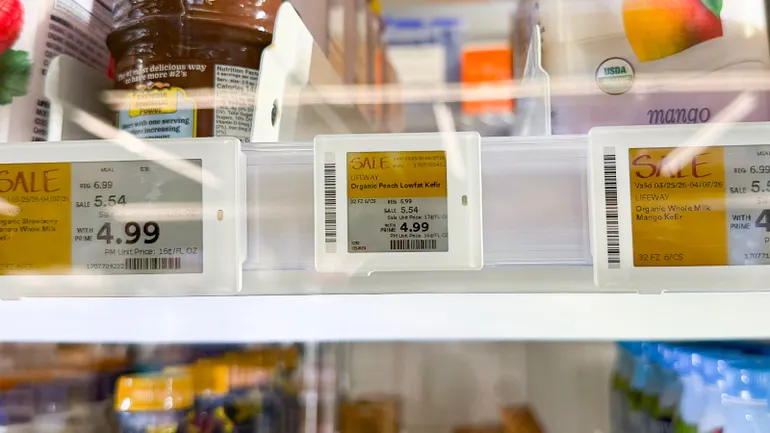
What grocers need to know about the pushback against dynamic pricing
Dynamic pricing has sparked widespread controversy in grocery retail, from historical price-fixing conspiracies to modern personalized data-based pricing, with regulatory pressure steadily rising. States like New Jersey and Maryland have enacted legislative restrictions, and the Federal Trade Commission (FTC) is advancing rulemaking. Grocers should review their data usage strategies to navigate an increasingly complex compliance environment.

PNC’s new mobile banking app built on personalization
PNC Bank developed a new mobile app based on a personalization philosophy, adding features while avoiding interface clutter. The app is being rolled out in phases, first covering FirstBank converted customers and select markets, with plans for full launch by late summer. The app supports dark mode, data insights, and other features, and for the first time uses AI agents to assist in development.
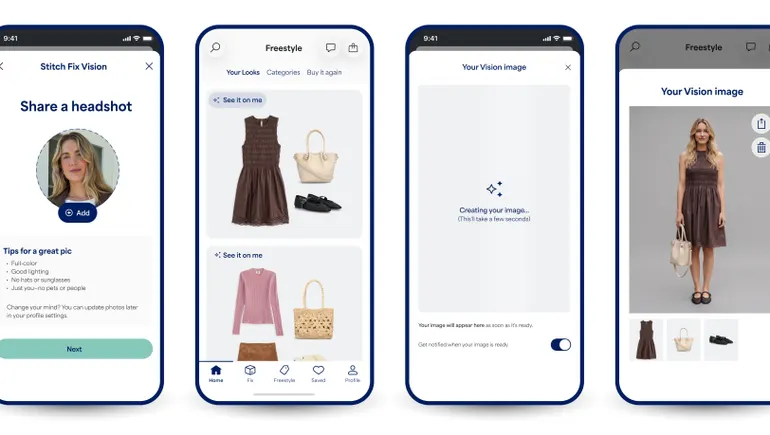
Stitch Fix expands AI image generation to improve personalization
Stitch Fix announced last week the expansion of its AI-driven style visualization platform, Stitch Fix Vision, allowing users to upload selfies via the mobile app to generate AI images wearing recommended clothing. The feature is available on demand at any time and automatically saves the generated looks to a personal style library. This move follows the company's third-quarter performance growth, with net revenue increasing 4.7% year-over-year to $340 million, and active clients rising to 2.3 million.

Connecticut becomes latest state to ban dynamic pricing
Connecticut Governor Ned Lamont signed a bill prohibiting retailers from using personal identity data to customize prices, making it the second state after Maryland to implement such a ban. New York's state assembly passed a similar bill on the same day, pending Governor Kathy Hochul's signature. Colorado Governor Jared Polis vetoed a similar bill in his state, deeming its scope too broad.
Petco improves personalization, online checkout experience as it achieves sales growth
Petco reported a 0.7% year-over-year increase in comparable sales in the first quarter of 2026, with net sales reaching $1.5 billion. During the earnings call, CEO Joel Anderson noted that the company strengthened omnichannel connections between stores and services by improving personalized recommendations and the online checkout experience, and plans to relaunch the Petco Perks loyalty program this quarter.

What CX leaders need to know about Gen Alpha’s influence
PwC research shows that Generation Alpha (about 1 in 4 children place orders independently, and 97% make autonomous decisions at least sometimes) is reshaping household purchasing processes. Customer experience leaders need to redesign strategies to support parent-child collaborative decision-making and focus on digital discovery scenarios.

Duolingo improves free user experience to drive word of mouth referrals
Duolingo co-founder and CEO Luis von Ahn said during the Q1 2026 earnings call that the company drives word-of-mouth referrals and retention by improving the free user experience. New features include speaking tokens, flashcards, and speaking adventures, covering both free and paid subscriptions. Daily active users grew 21% year-over-year to 56.5 million, and paid subscribers grew 21% year-over-year to 12.5 million.
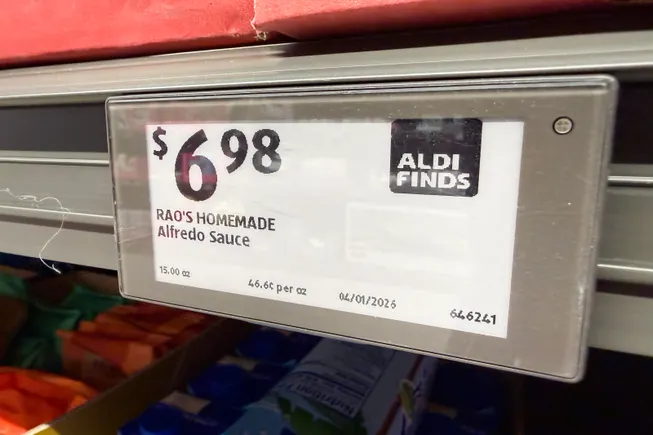
Maryland bans dynamic pricing
The Maryland General Assembly passed the Anti-Predatory Pricing Act, aiming to prohibit food retailers and third-party delivery services from using consumers' personal data for dynamic pricing. The bill has been submitted to Governor Wes Moore for signature, and if enacted, Maryland would become the first state in the nation to ban such practices. However, consumer advocacy groups point out that the bill contains exemption clauses and enforcement loopholes that may weaken its actual effectiveness.