
Olive Garden's Pasta Pass Returns: How Can Exclusive Experiences Translate into Real Customer Loyalty?
Last month, Olive Garden relaunched its 'Endless Pasta Pass,' which had been discontinued for six years, offering 13 weeks of unlimited pasta for $100, limited to 10,000 passes, and drawing significant attention. However, Sujay Saha, founder of the experience consulting firm Cortico-X, noted that hype does not equate to loyalty. Drawing on insights from multiple experts, this article explores how to turn exclusive experiences into sustainable customer loyalty through execution, ROI design, and tiered rewards.
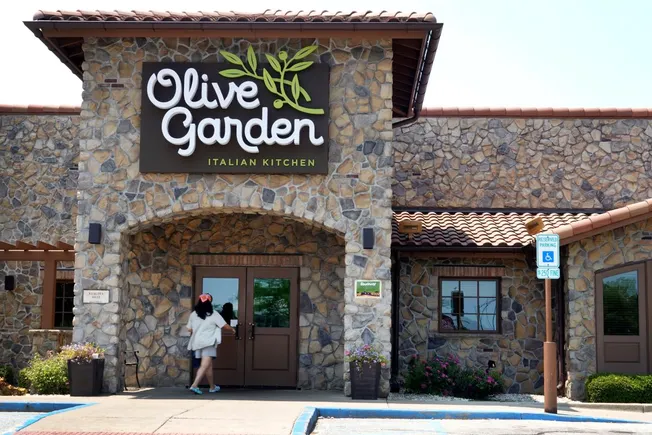
Olive Garden last monthreintroducedits "Never-Ending Pasta Pass," which had been discontinued for six years, sparking heated discussions on news sites and social media. The promotion offers 10,000 passes at $100 each, allowing holders to enjoy unlimited pasta for 13 weeks. But Sujay Saha, founder and CEO of experience consulting firm Cortico-X, believes thatgenerating interestis not the same as attracting new loyal brand customers.
"I don't think buzz is loyalty," Saha told CX Dive. "Buzz gets people in the door once. Loyalty is what happens when they come back two, ten, forty times."
Olive Garden is not the only company offering exclusive experiences; any business hoping to use incentives to both attract new customers and reward loyal ones can learn the same lesson.
Execution is key to success or failure
Exclusivity is just an incentive, not the desired outcome. If companies fail in execution, the experience is likely to harm loyalty rather than build it.
Saha noted that a poorly prepared dish could instantly erode the loyalty of a customer who was given an exclusive opportunity. Even if the physical execution of the experience is flawless, emotional obstacles such as a rude server attitude can leave customers disappointed.
"Customers won't remember what you did for them, but they will remember how you made them feel," Saha said. Emotional connection "may be the most tangible thing in what companies are trying to achieve."
Saha believes the key to ensuring a smooth experience lies in having the right people and tools in place. Long waits, overworked staff, and inconsistent service can all diminish the enjoyment of experiences like the pasta pass.
Brands can proactively avoid potential issues by collecting customer information before loyalty campaigns, Saha suggested. Technologies like AI can help teams analyze relevant data to ensure they are not caught off guard by unexpected surges in traffic.
When problems do occur, the key is how to make amends for the customer. The remedy depends on the specific situation, Covello said. This could include letting customers jump the queue at the next exclusive event, or offering equivalent free loyalty points, or upgrading them to a higher loyalty tier.
"Using these measures proportionally within your control can make customers feel valued and potentially turn them into brand advocates," Covello said. "In this case, points currency may be enough, and often it is indeed enough to help the customer."
Don't forget to create return on investment
Exclusive events come with costs, whether it's free meal vouchers or concert tickets. Teams need to ensure that the ultimate benefits outweigh the costs.
Covello believes the economics of exclusive experiences are no different from the economics of issuing loyalty points. Each reward carries a corresponding dollar cost.
Based on rough calculations, Saha estimates that a customer who fully utilizes the Olive Garden pasta pass could cost a single location about $2,000. Not every customer will eat that much free pasta, but it provides a baseline for setting cost expectations.
For franchise businesses, Saha noted that headquarters needs to ensure franchisees are prepared to bear short-term costs in exchange for long-term returns. In turn, franchisees need to deliver emotional rewards that translate into long-term loyalty.
Saha said the ROI of the pasta pass is not the $100 price tag itself, but the relationship the promotion builds with customers, including pass holders returning to dine at full price and onlookers drawn into Olive Garden's loyalty ecosystem.
Covello believes the true value of such exclusive promotions lies in how the investment enhances customer value. Retention, word-of-mouth, and acquisition all strengthen a brand's loyalty value proposition.
"You're actually spending from the same pool of funds used for customer acquisition and customer retention," Covello said. "Ultimately, you can prove ROI by looking at your customer base: is it growing? Are they engaging more with the brand?"
Rewarding loyal customers at the same time
By definition, not everyone can participate in exclusive experiences. Many of a brand's most loyal customers may never win a contest or reach the highest reward tier—but there are still other ways to make them feel included.
Saha pointed out that attention-grabbing promotions like the pasta pass are good for attracting attention, but they don't set up a "big tent" to welcome potential customers or reward loyalists. Olive Garden has millions of customers, but there are only 10,000 passes.
Brands looking to reward a large number of loyal fans can invest in smaller-scale events.
Saha emphasized that the key is understanding your customer base and their needs. Loyal customers may not necessarily want their own free pasta. They might be more driven by early access to information about upcoming products, or the opportunity to test future potential versions.
"There are many ways to truly reward loyalists and celebrate their loyalty," Saha said.
Covello believes the key to celebrating loyalty lies in going beyond small transactional benefits. If the pasta pass were just a 10% coupon, it wouldn't have the same emotional resonance. Experiences are more likely to feel exclusive.
"We see this pattern in airlines and hotels, such as membership tiers or priority services, or event access offered by Amex," Covello said. "These are what drive truly aspirational loyalty. It's that 'fear of missing out' (FOMO) that makes them want to be part of it."
These experiences can be high-end, but they should still be accessible, Covello said. The key is to be exclusive, but not exclusionary. Even if the biggest rewards are reserved for lucky winners or high-spending customers, companies can still offer smaller, more attainable benefits to build emotional connections.
Tiered loyalty programscan effectively combine exclusive rewards with attainable ones.
"I think as long as you have tiers, there's a ladder effect: 'Okay, I moved from tier one to tier two, and now I aspire to reach the top,'" Covello said. "That's key, and having multiple ways to get there is very important for a loyalty program."
Covello said the goal of all these rewards is to build emotional loyalty that transactional rewards cannot match. These loyalty rewards will turn customers into fans.
"If you can get the experience right, then you can create true loyalty and genuine memories with the brand," Covello said.