
How Bank of America's Rewards Program Attracts Gen Z Customers
Bank of America launched its no-annual-fee rewards program, BofA Rewards, at the end of May. To date, over 3 million customers have registered, with nearly one-third participating in transactions, marking an almost threefold increase in engagement compared to the past. The program eliminates the $20,000 minimum asset threshold, requiring only a qualifying checking account to join, aiming to reduce barriers for Gen Z participation. Retail and gas transactions account for the majority of engagement, at 45% and 20%, respectively. Surveys show that 80% of Gen Z customers plan to use rewards to fund travel. The bank stated that the program not only offers financial rewards but also includes subscription points, lifestyle benefits, and access to premium events, adapting as customers progress through life stages.
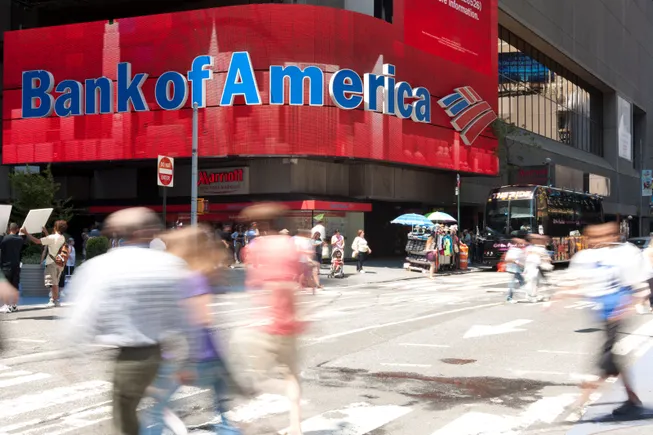
Since its launch in late May, Bank of America's no-annual-fee rewards program has attracted over 3 million customer registrations, with nearly one-third of those customers engaging in transaction activity. According to Shikha Narula, the bank's head of consumer deposits and rewards, this engagement level is nearly three times the bank's historical rate.
For Bank of America, this marks a success. Narula stated that its core loyalty strategy lies in deepening the overall relationship with customers. "It's not just about one aspect of us, one product, or one feature," Narula told CX Dive. "We want to reward customers for their overall relationship with Bank of America."
The current deposit landscape is highly competitive, with banks vying to become customers' primary bank. As loyalty and rewards become increasingly important in customer retention, Bank of America aims to revamp its existing Preferred Rewards program to attract more customers and boost engagement.
The new program, named BofA Rewards, has a lower entry barrier, requiring only an eligible Bank of America checking account with no minimum balance requirement. As a result, the program expands eligibility to millions of additional customers. The previous Preferred Rewards program was effective in retention, with a 94% primary bank retention rate among members and an overall retention rate of 99%. However, Bank of America wanted to broaden the eligible population and get more customers—especially younger ones—involved.
The bank eliminated the $20,000 minimum asset threshold, opening eligibility to any customer with a qualifying checking account, and these adjustments were specifically designed with Gen Z in mind. "Now, for younger generations and Gen Z customers, there is almost no barrier to engaging with us and this program. We see this as a way to build relationships and trust early in their lives by offering benefits that resonate with their current life stage," Narula said.
The rise of the rewards economy
The bank offers rewards on retail, fuel, entertainment, and dining transactions, with retail accounting for 45% of customer engagement and fuel for 20%.
"We see this increasingly becoming a 'rewards economy,'" Narula said. "Consumers no longer view rewards merely as an extra perk, but as a way to meet financial needs and integrate into their financial planning."
A recent Bank of America survey showed that 46% of U.S. consumers say they will use rewards to fund travel, Narula revealed. This percentage is even higher among Gen Z, with 80% of Gen Z customers saying they would use rewards to pay for travel.
According to Halle Stern, senior director analyst at Gartner's marketing practice, financial benefits are becoming table stakes. Consumers expect transactional rewards like cash back and discounts, but also crave experiential earning opportunities. "That's where the differentiation lies," Stern said. "Being able to earn rewards through means other than swiping a card—taking other options, exhibiting other behaviors."
"Given the highly competitive and saturated banking market, this need for differentiation is especially urgent," Stern added.
Bank of America's rewards go beyond just financial aspects. Narula said the bank designs benefits tailored to different generations' needs, with a particular focus on Gen Z's immediate needs, which are financial assistance. "For Gen Z customers aged 18 to 25, we want to unlock benefits that help with their daily lives, whether it's transaction offers or redeeming rewards for travel. But as customers' financial lives grow, we also see an increased preference for experiential benefits."
At higher tiers, members can enjoy subscription credits, lifestyle benefits, and access to premium events. Membership also includes fraud and identity monitoring services. "We do see that this varies somewhat by generation, and we might design the program to cater to both," Narula said.
Although it is still too early to publish retention and primary bank rate data, Narula and her team are encouraged by the engagement. "What I can share is the anecdotal feedback we're hearing from branches," she said. "We talk a lot with our financial center employees and hear many stories of customers bringing in more assets—because that's the path to moving up from the member tier to Preferred Plus and Preferred Honors."
The bank is confident the program meets current needs. "From a competitive differentiation standpoint, the breadth of benefits, the program's ability to grow with customers, and offering benefits based on where customers are in life—these are core differentiators in my view," Narula said.
Correction: This story has been updated to correct the proper tier name of Preferred Honors.