
Physical store experience remains key for luxury brands to win 'aspirational' customers
An EY survey of more than 1,600 high-income consumers across 11 markets shows that physical stores remain the preferred purchase channel for aspirational luxury consumers, with significantly higher satisfaction than brand websites. The attentive service, human interaction, and style advice offered in stores are core attractions, while AI technology is seen as a supporting tool that can enhance the shopping experience.
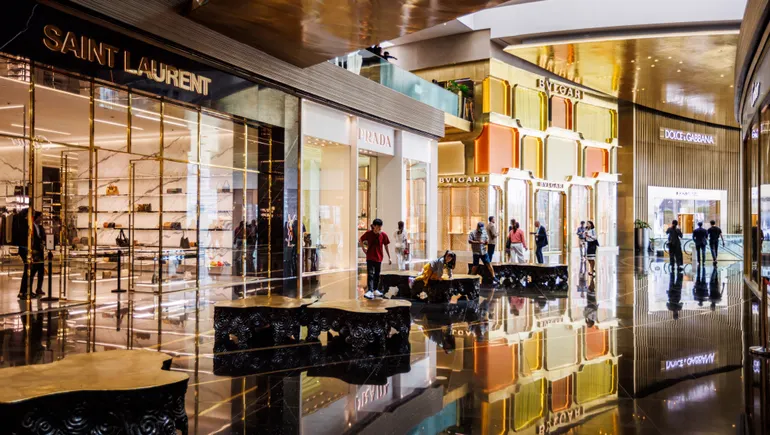
Key Takeaways:
- A survey by EY covering 11 markets and more than 1,600 consumers with annual incomes of $100,000 or more shows that physical stores remain the primary channel through which "aspirational" luxury consumers purchase goods and feel satisfied.
- Among this aspirational group, 71% purchase at brand-operated luxury stores. More than two-thirds of respondents said they were "very satisfied" with the in-store experience, while only about half felt "very satisfied" with the brand website experience.
- "Stores remain the cornerstone, the preferred purchasing channel, and the channel that delivers the best experience," Rachel Daydou, EY Studio+ France lead for luxury, AI, and sustainability, told CX Dive. "This is consistent with last year's results. When we asked what they seek and what makes the store experience truly valuable, 44% said they choose stores for the pampered experience."
Deep Dive:
EY notes that luxury brands cannot rely solely on habitual ultra-wealthy customers to achieve long-term growth and maintain appeal. These brands must attract and convert "aspirational" luxury customers.
The survey found that aspirational luxury customers ultimately crave human interaction and unique experiences, which are exactly what the brands they aspire to can offer. The in-store experience provides more emotional, human interaction, as well as high-quality, curated service that aspirational customers value; yet most brands struggle to replicate the same level of care online.
Respondents said that attentive in-store service, human interaction, and style advice are the three factors that make luxury store shopping more valuable. The conclusion: these customers will choose places where they feel recognized, guided, and reassured.
However, Daydou noted that some luxury brands are also doing well with online experiences. The key is to create such experiences for items not available in stores.
"They offer online experiences for rare or personalized products that cannot be accessed in stores. In my view, this is a good approach—it does not replace the advice or recommendations of customer advisors, nor the touch and feel of physical products," she said. "Rather, it ensures you can access items that are temporarily unavailable in stores for various reasons."
Nevertheless, this aspirational group is not averse to technology. The vast majority (94%) of respondents believe AI can enhance their shopping experience, with "enhanced online search" and "personalized recommendations" being the most anticipated applications.