
Experts: Consumers Don't Expect Tariff Refunds, but Expect Fair Treatment
The U.S. Supreme Court ruled that tariffs imposed by the Trump administration under the International Emergency Economic Powers Act were unlawful, and the Court of International Trade ordered refunds exceeding $166 billion. Experts say most consumers cannot calculate the refund amounts but will focus on whether companies proactively communicate and handle the matter fairly.
As companies begin to reclaim billions of dollars in tariff refunds, consumers won't calculate their exact due amounts one by one—but they will judge whether companies handle this windfall fairly, experts say.
The Supreme Court ruled in February that tariffs imposed by the Trump administration under the International Emergency Economic Powers Act were illegal, and the U.S. Court of International Trade subsequently ordered the government to refund businesses more than $166 billion. Refunds are being issued slowly—since late May, only$20.6 billion has been refunded。
Overall, according to data from theJoint Economic Committee, U.S. consumers bore more than $231 billion in tariff costs between February 2025 and January 2026, averaging about $1,745 per household.
But experts point out that most consumers couldn't calculate tariff refunds even if they tried. Few can distinguish how much of a price increase came from tariffs, how much companies absorbed, or which products were affected.
"Most consumers realize they generally bore tariffs through higher prices, but they don't know when and where they bore them," said Dipanjan Chatterjee, vice president and principal analyst at Forrester.
Exceptions are cases consumers can see. For example, Nintendo faced a class-action lawsuit after delaying the Switch 2 launch and subsequently raising accessory prices, attributing the increases to "market conditions" amid tariff hikes. Meanwhile, FedEx lists tariff fees on its invoices and says it willrefund customers。
based on those fees.
However, such clear-cut cases are rare. For most brands, customers are unlikely to punish them for not issuing refunds, but they will punish brands that remain silent.
"Customers will resent companies that don't say anything at all," said Matt Lyles, an independent customer experience consultant and speaker.
Communication is paramount
Experts say the safest approach is to speak up proactively, rather than staying silent or being overly specific.
"When there's no story, people tend to make up their own, and that's usually not a good story," Lyles said.
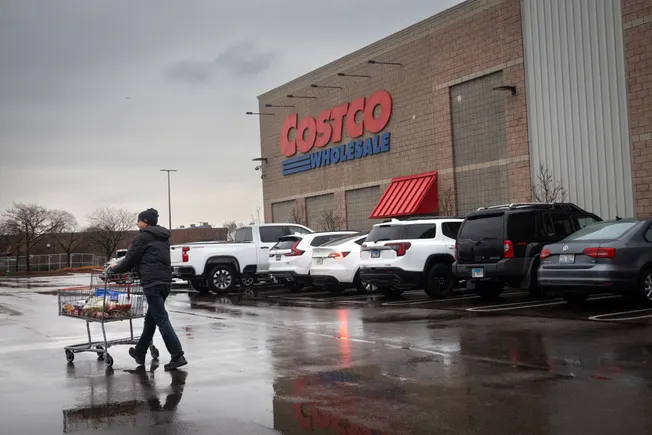
At the same time, being overly specific carries legal risks. Explicitly mentioning tariff amounts could be seen as admitting customers were overcharged, which "could invite lawsuits if not 100% accurate," said Dan Cahoy, chair of risk management at Penn State's Smeal College of Business.But offering vague positive benefits might actually help. For example, Walmart has committed to using itstariff refunds to lower prices, as its customers face affordability issues. In March, Costco announced it would alsolower prices, just days before aclass-action lawsuit
was filed against the company.
"Tariffs aren't going away," Cahoy said.
Costco has since asked a federal judge to dismiss the case.
Regardless of the approach, experts say a company's legal and PR teams must approve all communications to "tighten the reins" and avoid potential disasters, Lyles said.
What should companies offer?
When companies do give back, the form matters as much as the message. Chatterjee said sending refund checks is rarely worth it. "Refunds are highly likely to become an extremely costly and labor-intensive processing nightmare."
Visible initiatives, including "temporary price cuts, loyalty points, free memberships, bundle upgrades, or targeted rewards for existing customers," can build goodwill and boost sales, Chatterjee said.
"The key is giving back to customers without necessarily issuing refunds," Chatterjee said.
Regardless of the form, the simplest path for customers is best. Forcing people to "fill out forms, upload receipts, and submit claims" undermines the goodwill the initiative was meant to create, Lyles said.
But now is the time for brands to address tariff refunds, as the Trump administration still disputes the amount it must repay and is considering new tariffs.